BUILDING HIGH PERFORMING TEAMS
Over 30 years of experience building a company and teamsWhat does “Building High Performing Teams” really mean?
Building high performing teams goes far beyond assembling talented individuals. High performance emerges when people are aligned around a shared purpose, trust one another, and operate within clear systems that enable accountability and learning.
High performing teams typically demonstrate:
-
Clarity of purpose and goals – everyone understands why the team exists and what success looks like
-
Psychological safety – team members feel safe to speak up, challenge ideas, and learn from mistakes
-
Strong leadership and shared ownership – leadership is clear, but responsibility is distributed
-
Effective communication – open, honest, and frequent dialogue
-
Continuous improvement – regular reflection, feedback, and adaptation
When these elements are present, teams consistently outperform peers in productivity, engagement, innovation, and resilience.
Why building high performing teams is a strategic priority:
Organisations that invest in building high performing teams gain a measurable competitive advantage. Research consistently shows that high performing teams:
Deliver stronger financial results
Adapt faster to change and disruption
Retain top talent for longer
Create healthier, more engaging workplace cultures
Conversely, underperforming teams often suffer from misalignment, unclear decision‑making, low trust, and burnout. These issues are rarely solved by tools or incentives alone; they require intentional leadership and systemic change.
Building high performing teams is therefore not a “soft” initiative, it is a core business strategy.
Common challenges in building high performing teams
Many leaders know what they want but struggle with how to get there. Common obstacles include:
- Rapid growth that outpaces team development
- Siloed departments and competing priorities
- Unclear roles, decision rights, and accountability
- Leaders promoted for technical expertise rather than people leadership
- Lack of time for reflection, learning, and team alignment
Addressing these challenges requires more than one‑off training sessions. It demands a practical, evidence‑based approach grounded in real organisational contexts.
A practical framework for building high performing teams
While every organisation is unique, successful approaches to building high performing teams tend to focus on five core areas:
- Purpose and Alignment – clarifying vision, values, and strategic priorities
- Leadership Capability – developing leaders who can inspire, coach, and create accountability
- Team Dynamics – strengthening trust, communication, and decision‑making
- Ways of Working – designing systems, rituals, and processes that support performance
- Measurement and Learning – using meaningful metrics and feedback to drive improvement
Sustainable high performance comes from working across all five areas, not treating them in isolation.
Consultancy support for building high performing teams
For organisations looking to accelerate results, consultancy support can provide structure, insight, and momentum.
Consultancy focused on building high performing teams typically includes:
Team Assessment
Diagnostic assessments to understand current team effectiveness
Leadership Advice
Leadership coaching and development programmes
Operations Framework
Design of performance frameworks and operating rhythms
Team Building
Team alignment workshops and offsites
Ongoing Support
Ongoing advisory support to embed change
Andrew Radcliffe works with organisations to translate theory into practical action. His approach combines evidence based research with real‑world leadership experience, ensuring solutions are both credible and applicable.
Consultancy engagements are tailored to each organisation’s context, challenges, and strategic goals,whether working with executive teams, senior leaders, or high‑potential groups.
Why work with Andrew Radcliffe?
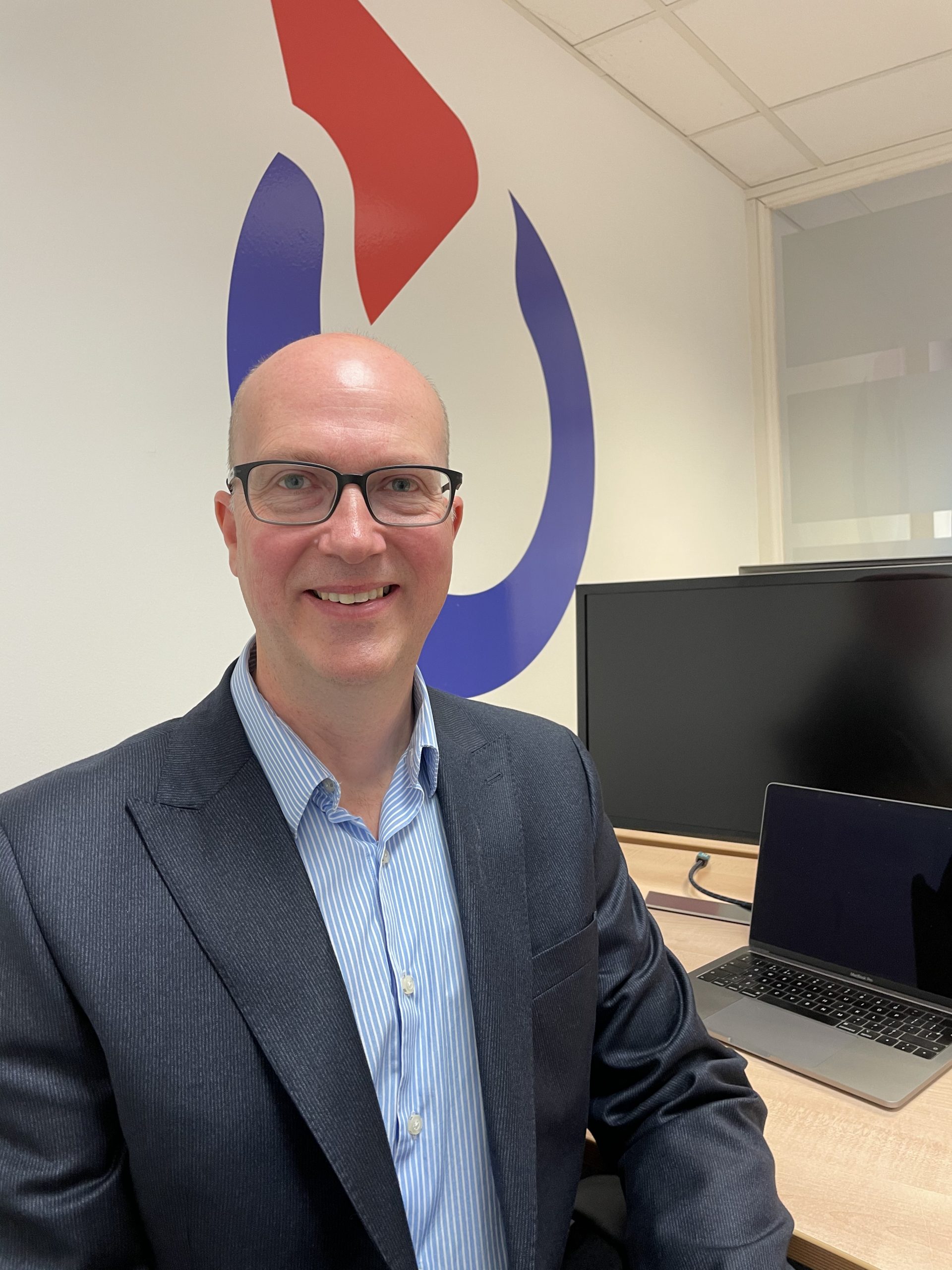
Andrew Radcliffe brings real‑world credibility to the challenge of building high performing teams.
He is an experienced CTO who has helped startups, SMEs, and public sector organisations grow through smart, scalable software solutions. His work includes organisations such as Ordnance Survey, the Ministry of Housing, and Benefex, as well as his role as Co‑founder of Spyrosoft.
Spyrosoft achieved extraordinary international growth with no outside investment, demonstrating what is possible when strategy, leadership, and high performing teams are aligned.
With over 30 years in technology, Andrew has helped organisations to:
-
Launch and scale SaaS platforms
-
Move from MVP to production‑ready architecture
-
Recruit, mentor, and lead high performing technical teams
-
Implement modern DevOps, cloud, AI, and Agile practices
-
Translate complex technology into clear business outcomes
Andrew’s approach is pragmatic and delivery‑focused. He cuts through buzzwords, bridges the gap between founders, investors, and engineers, and helps leaders build teams that perform under real commercial pressure.



My story of building high performing teams
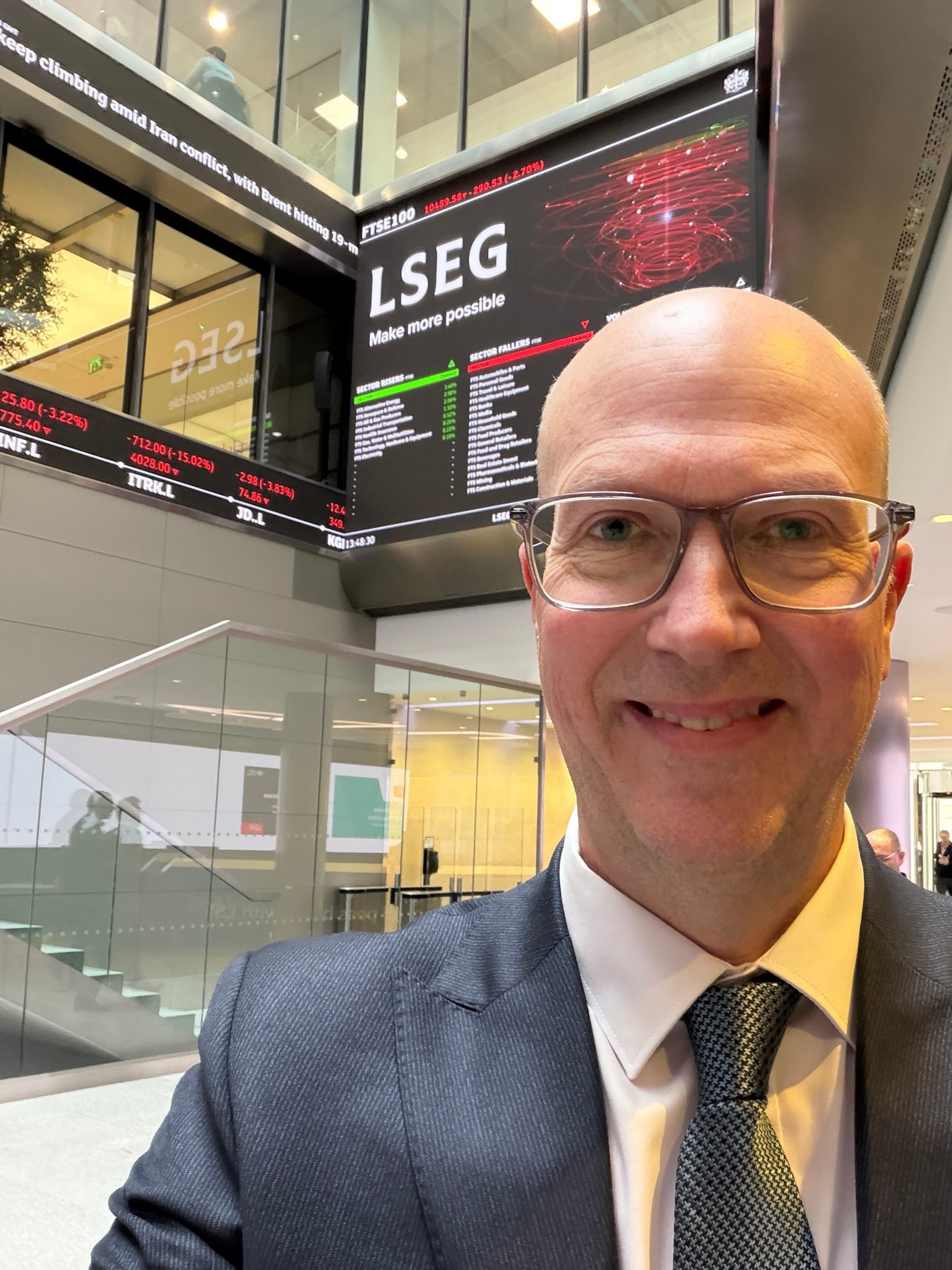
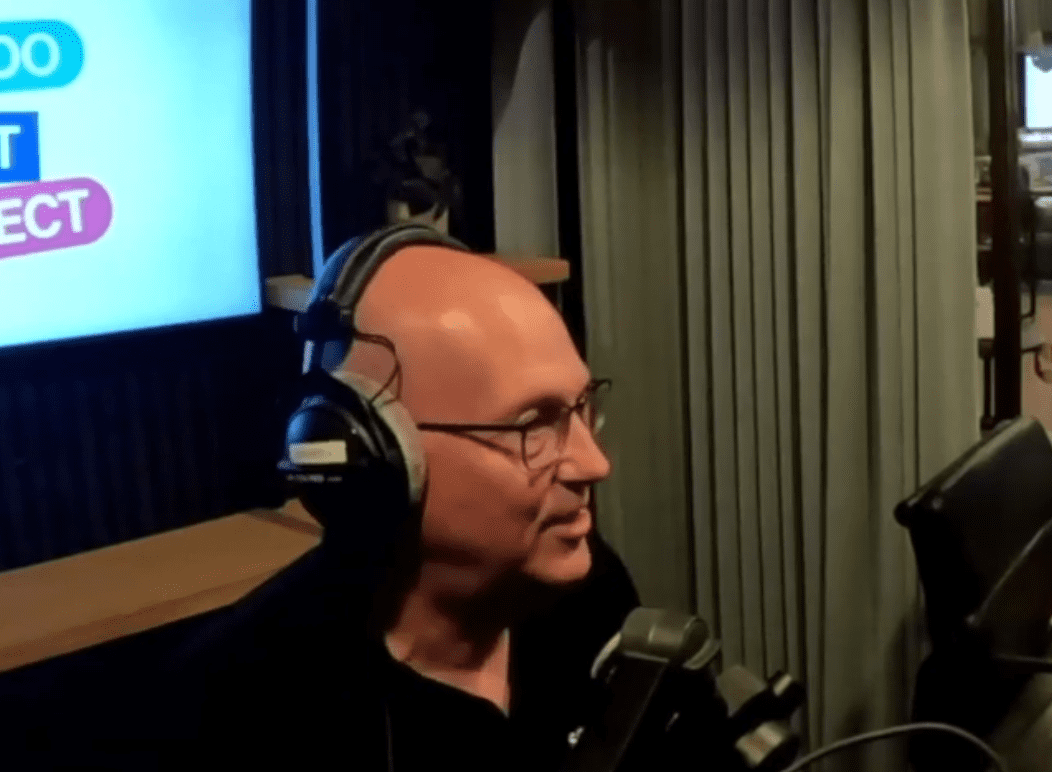
I started my career at the very grassroots of technology. I left school at 16 to become a software engineering apprentice, spending five intense years solving real problems across different parts of the business. That experience shaped a belief I still hold today: great outcomes come from well-designed teams, not individuals working in isolation.
After qualifying, I worked in telecommunications during the shift from analogue to digital and Voice over IP. I then deliberately moved across industries from publishing and legal to aerospace and property to broaden my perspective and avoid becoming siloed in one domain.
A defining chapter came during five years working in the United States alongside world-class engineers. It reinforced the power of collaboration, diversity of thinking, and learning from people smarter than yourself, principles that sit at the heart of high performing teams.
Back in the UK, I joined Ordnance Survey as Head of Development, where I led a major cultural and technical transformation. We built a new digital engineering function, introduced agile, cloud, and DevOps practices, and created multidisciplinary teams that delivered real business impact.
In 2016, I co-founded Spyrosoft. Since then, the company has grown from zero to over 1,500 people across nine countries, with no outside investment. That growth came from the same principles I’ve applied throughout my career: hire for behaviour, build trust, empower teams, and focus relentlessly on delivery.
At the core of my approach is a simple idea: you can teach technology, but you can’t teach behaviour. High performing teams are built by getting the right people, creating clarity around what “done” looks like, and giving teams the autonomy to do their best work.
This is the experience I bring to leaders and organisations who want to build high performing teams that scale, adapt, and deliver under real-world pressure.
Join My LinkedIn Group
- A private space for senior technology leaders.
- No sales. No recruiters. No spam.
- The focus is on honest, experience-led discussion.

Keynote speaking: Building high performing teams with Andrew Radcliffe
In addition to consultancy, Andrew Radcliffe delivers engaging keynote presentations on building high performing teams for conferences, leadership events, and internal organisational sessions.
Andrew’s keynotes are designed to:
-
Educate leaders on what truly drives team performance
-
Challenge common myths and ineffective practices
-
Share practical frameworks leaders can apply immediately
-
Inspire action and ownership at all levels of leadership
Drawing on research, case studies, and real‑world examples, Andrew brings clarity and energy to a topic that is often discussed but rarely executed well.
Popular keynote themes include:
-
The science behind high performing teams
-
Leadership behaviours that unlock performance
-
Psychological safety and accountability in practice
-
Building alignment in complex organisations
-
Sustaining high performance under pressure
Each keynote can be tailored to the audience, industry, and strategic priorities of the organisation.
FAQ's
Why is building high performing teams important for organisations?
Building high performing teams is critical because organisational success increasingly depends on teamwork rather than individual effort. High performing teams improve productivity, engagement, adaptability, and retention, while reducing burnout and inefficiency.
What are the key characteristics of high performing teams?
Most high performing teams share several core characteristics: clarity of purpose, psychological safety, accountability, strong communication, effective leadership, and a commitment to continuous improvement. These elements work together to sustain high performance.
How long does it take to build high performing teams?
Building high performing teams is an ongoing process rather than a one‑time event. While leaders can see early improvements within weeks or months, sustainable high performance typically develops over time through consistent leadership behaviours, aligned systems, and regular reflection.
What role does leadership play in building high performing teams?
Leadership is central to building high performing teams. Leaders set direction, model behaviours, create psychological safety, and establish accountability. Without effective leadership, even highly talented teams struggle to sustain performance.
Can consultancy help with building high performing teams?
Yes. Consultancy support can accelerate progress by providing objective insight, proven frameworks, and practical tools. Working with an experienced consultant helps organisations diagnose challenges, align leadership, and embed approaches that support long‑term team performance.
What topics does Andrew Radcliffe cover in keynote speaking on high performing teams?
Andrew Radcliffe’s keynote speaking on building high performing teams covers topics such as the science of team performance, leadership behaviours that drive results, psychological safety and accountability, and sustaining performance in complex environments. Each keynote is tailored to the audience and organisational context.
Who are Andrew Radcliffe’s keynote speaking and consultancy services best suited for?
Andrew Radcliffe works with executive teams, senior leaders, and organisations that are serious about improving performance through better teamwork. His work is particularly relevant for organisations experiencing growth, change, or increasing complexity.
If you would like to chat leave your details below and I will reply shortly.
Recent Articles

Why Learning Is the Real Competitive Advantage in the AI Era
Technology is available to everyone. The organisations that succeed won't be those with the best AI. They'll be the ones that learn, adapt and innovate faster than everyone else.Technology Is No Longer the Competitive Advantage It Once Was Having spent more than three...

UK AI strategy: turning experimentation into durable advantage
The UK is entering the next phase of its AI journey with momentum, but not clarity. The last two years were about experimentation and headline-grabbing pilots. The next twelve months will test whether the UK AI strategy can convert that experimentation into real...

From idea to deployment: what AI project innovation actually looks like
These days, there’s no shortage of discussion about AI. Every conference agenda has it. Every boardroom conversation touches on it. Most organisations have some version of an AI project strategy or a list of “promising use cases.” The tricky part is rarely the idea...
FOLLOW ANDREW