Building and rebuilding: lessons from a tech entrepreneur journey
A journey that never stands still
Being a tech entrepreneur is never static. It’s not a straight climb or a single breakthrough moment, but a constant act of recalibration – responding to change, learning from missteps, and staying curious about what’s next.
The pace of change today is unforgiving, especially in technology. Markets shift overnight, new tools disrupt established ways of working, and client expectations evolve before you’ve had time to settle into the last innovation. Staying still isn’t an option.
Becoming a tech entrepreneur and founding Spyrosoft
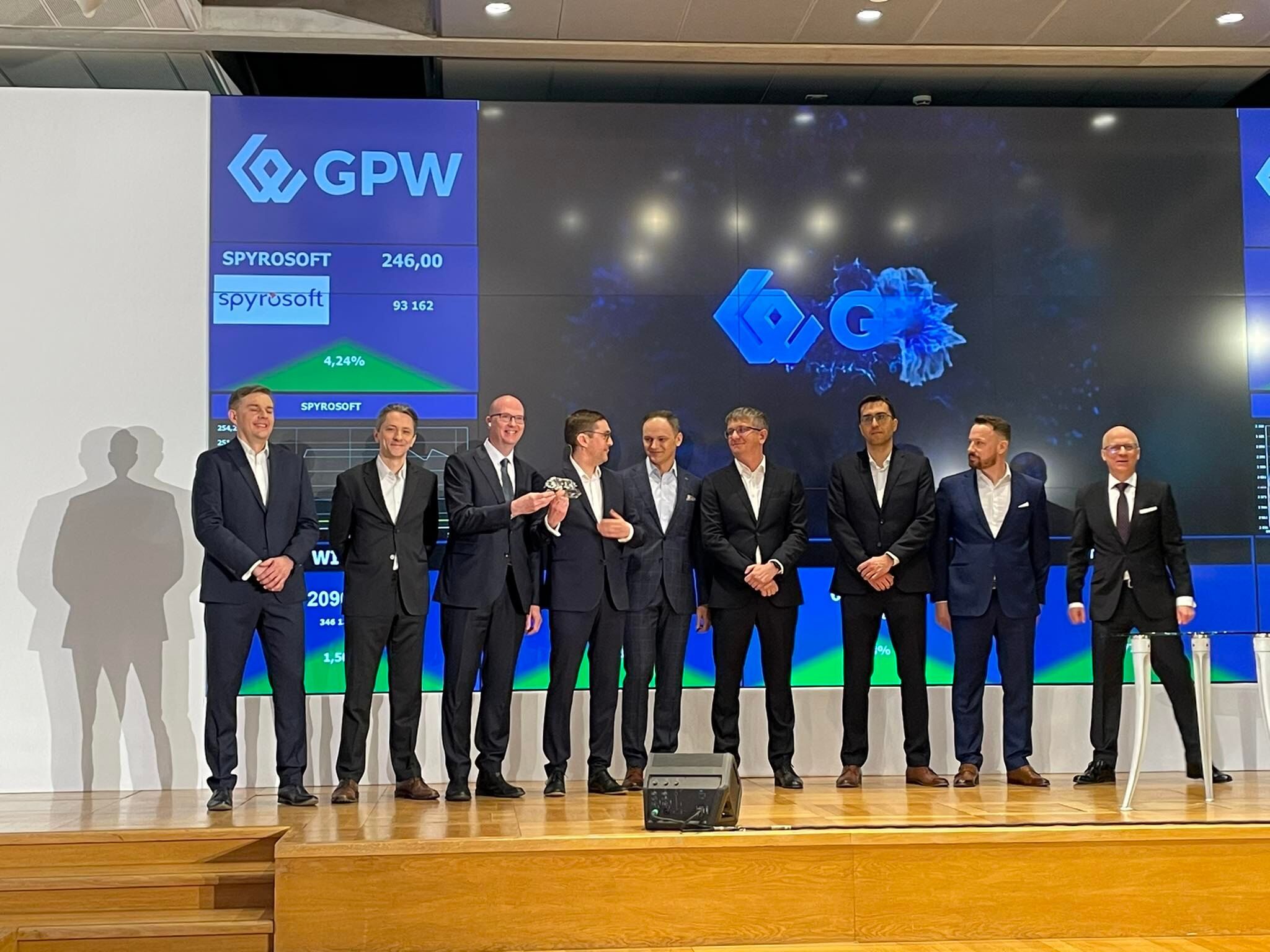
When I co-founded Spyrosoft nearly a decade ago, we began with a simple ambition: to build a technology company rooted in expertise, trust, and adaptability. What we couldn’t have predicted was just how quickly the landscape would evolve.
Every few years – sometimes every few months – something changed: the technology, the market, the way people wanted to work. With each shift came the same question: how do we adapt and still stay true to what we stand for?
The power of adaptability
That willingness to evolve became our defining strength. Adapting early to new technologies, rethinking delivery models, and constantly asking what value are we really creating here? allowed us to seize opportunities as they appeared.
Growth wasn’t about chasing trends. It was about maintaining clarity of purpose while staying open to reinvention. That balance – stability and movement – has been essential. That is what I think being a tech entrepeneur is all about.
The UK tech ecosystem – prime for tech entrepreneur’s
Across the UK’s technology sector, I see the same drive mirrored everywhere: founders and teams building not just products, but resilience. It’s an ecosystem that rewards experimentation, collaboration, and a healthy respect for uncertainty.
Of course, challenges remain. Regulation, competition, and the relentless pace of innovation, particularly around AI, keep everyone on their toes. But the potential for growth and genuine impact has never been greater.
Why guidance matters
Over time, I’ve come to see being a tech entrepreneur as being as much about guidance as it is about growth. Experience becomes valuable when it’s shared and when you can help someone else navigate the same decisions, doubts, and turning points you once faced.
The best conversations I’ve had in business have been those unplanned, honest exchanges that spark a new way of thinking. Sometimes, a single perspective can change your whole trajectory. Two key points for me in being a tech entrepreneur have been, treat people kindly and always hire someone who knows more about a topic than you do.
Let’s keep the conversation going
If you’re exploring starting as a tech entrepreneur, growing a tech business, or simply trying to adapt in a fast-changing world, I’m always open to a conversation.
Sometimes, all it takes is a candid exchange to unlock a fresh perspective, and that’s where the real growth begins.
Want to talk about starting out as a tech entrepreneur?
Recent Articles

Why Learning Is the Real Competitive Advantage in the AI Era
Technology is available to everyone. The organisations that succeed won't be those with the best AI. They'll be the ones that learn, adapt and innovate faster than everyone else.Technology Is No Longer the Competitive Advantage It Once Was Having spent more than three...

UK AI strategy: turning experimentation into durable advantage
The UK is entering the next phase of its AI journey with momentum, but not clarity. The last two years were about experimentation and headline-grabbing pilots. The next twelve months will test whether the UK AI strategy can convert that experimentation into real...

From idea to deployment: what AI project innovation actually looks like
These days, there’s no shortage of discussion about AI. Every conference agenda has it. Every boardroom conversation touches on it. Most organisations have some version of an AI project strategy or a list of “promising use cases.” The tricky part is rarely the idea...
FAQs
Why is adaptability important for tech entrepreneurs?
Adaptability is essential because technology, markets, and client expectations change rapidly. Tech entrepreneurs who adapt quickly can respond to disruption, adopt new tools early, and sustain business growth in competitive environments.
What mindset do successful tech startup founders need?
Successful tech startup founders need a mindset focused on continuous learning, resilience, and curiosity. This allows them to navigate uncertainty, learn from failure, and make better decisions as technology and markets evolve.
How can tech entrepreneurs stay relevant in a fast-changing industry?
Tech entrepreneurs stay relevant by continuously learning, reassessing strategy, adopting emerging technologies thoughtfully, and focusing on delivering real business value rather than chasing trends.
How do you scale a tech business without losing your values?
You scale a tech business without losing values by embedding purpose into leadership decisions, hiring experienced specialists, and maintaining clarity about what the company stands for as it grows
What lessons can new tech founders learn from experienced entrepreneurs?
New tech founders can learn the importance of adaptability, long-term thinking, people-first leadership, and hiring individuals with deeper technical expertise than themselves.

FOLLOW ANDREW